

What is Autism Spectrum Disorder?

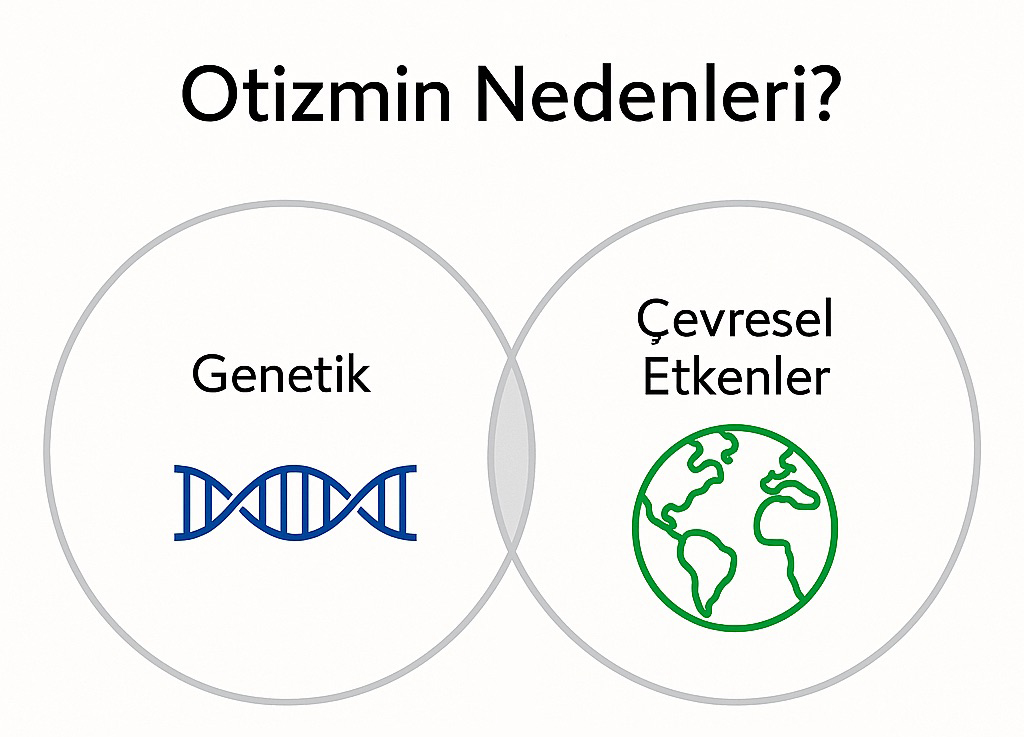
Autism spectrum disorder is defined as a complex neurodevelopmental difference that is present from birth or emerges in the early years of life. Although the exact cause of autism is not fully understood, it is believed to have a genetic basis and is thought to result from certain neurological conditions that affect the structure or functioning of the brain. While it is not yet known which gene or genes are responsible, there are also views suggesting that environmental factors may contribute to autism. Individuals with autism spectrum disorder show impairments in two core areas.

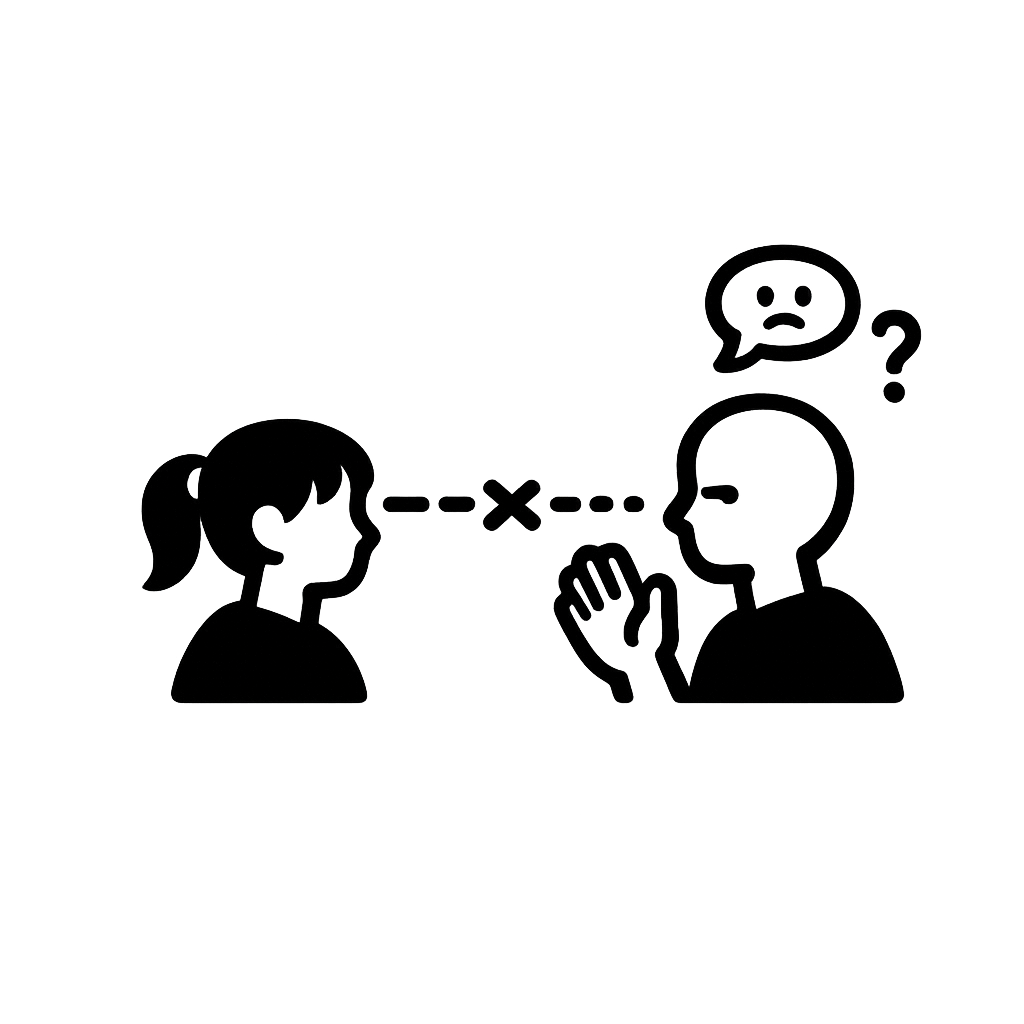
Impairments in communication and social interaction

Difficulty in establishing and maintaining relationships,

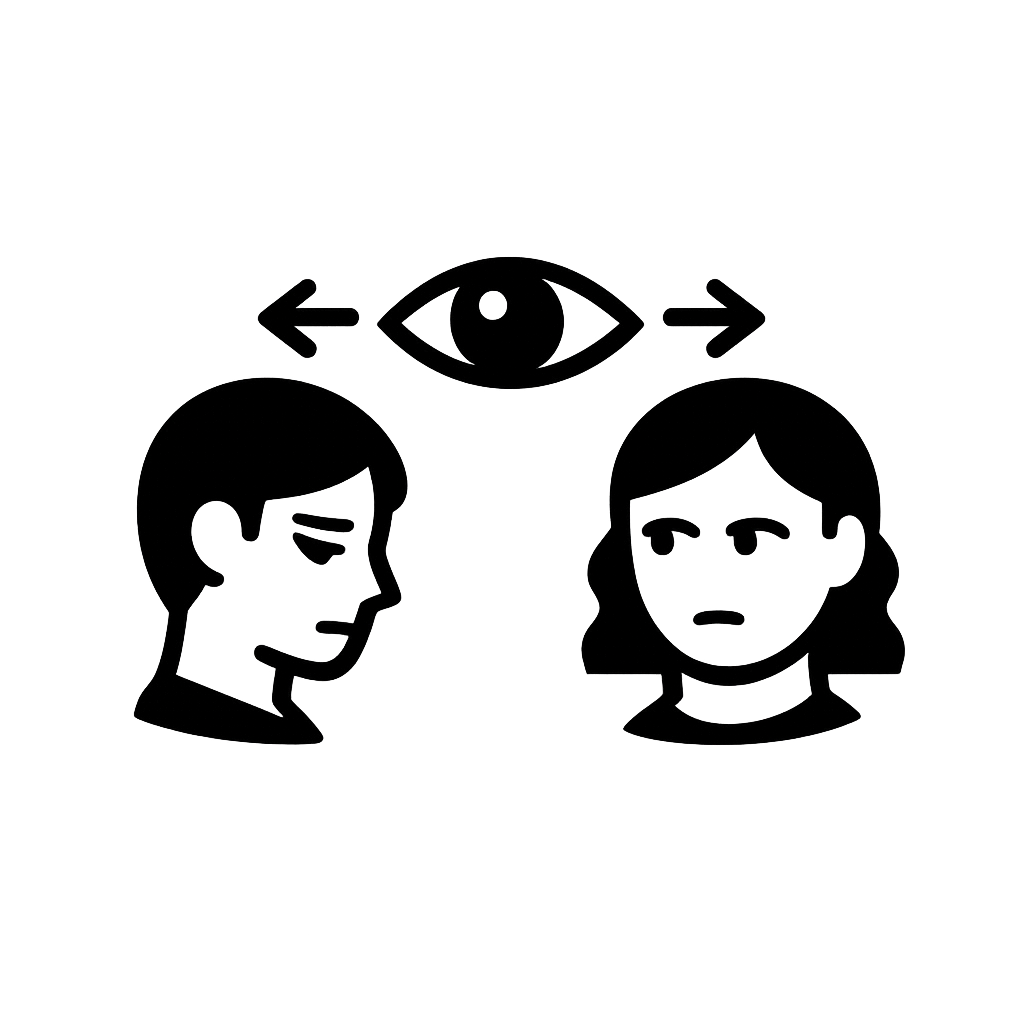
Inability to make eye contact, difficulty understanding body language, and difficulty interpreting gestures and facial expressions,

Difficulty expressing emotions,

Difficulty initiating and maintaining interaction, appearing reluctant in social engagement,

Difficulty understanding humor, jokes, and figurative language.

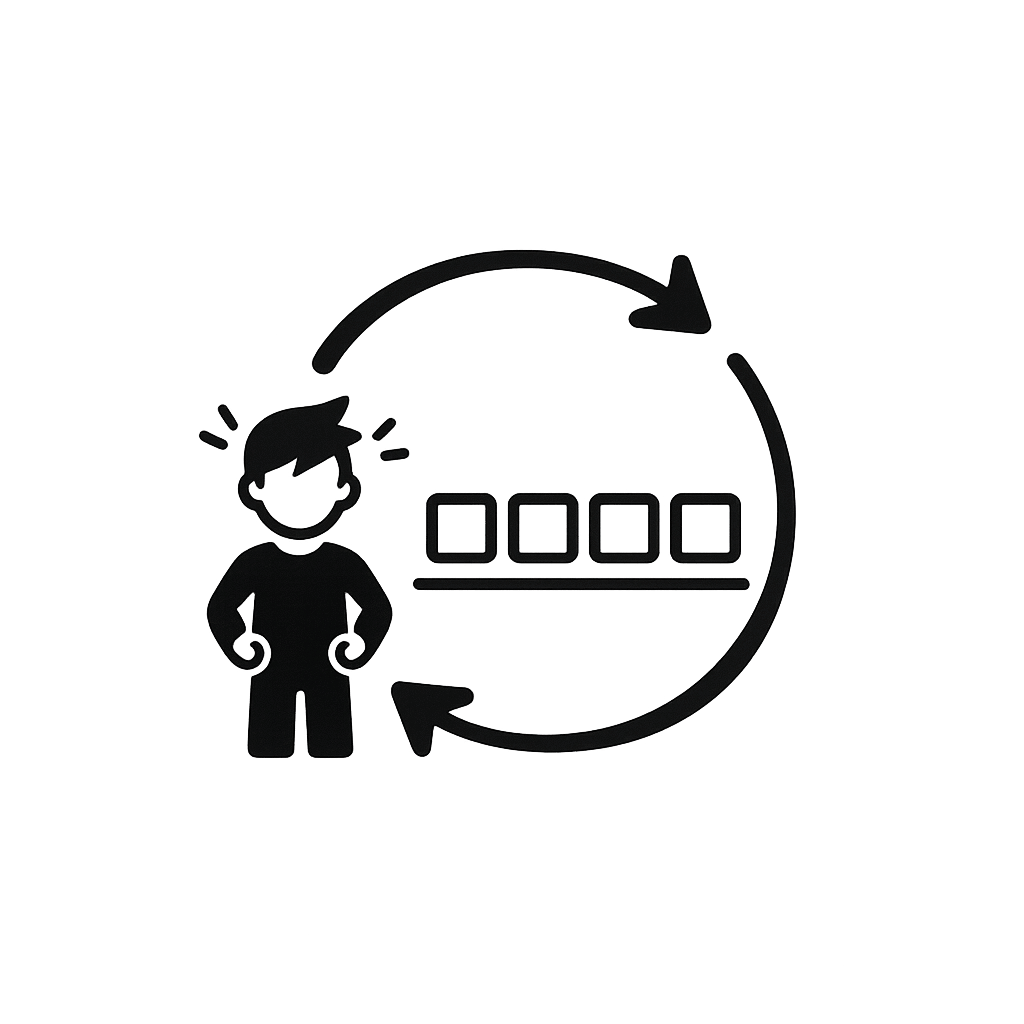
Repetitive behaviors, restricted interests, and routines

Repetitive or obsessive motor behaviors, use of objects, or speech

Insistence on sameness and excessive adherence to routines

Having highly restricted and fixated interests of abnormal intensity

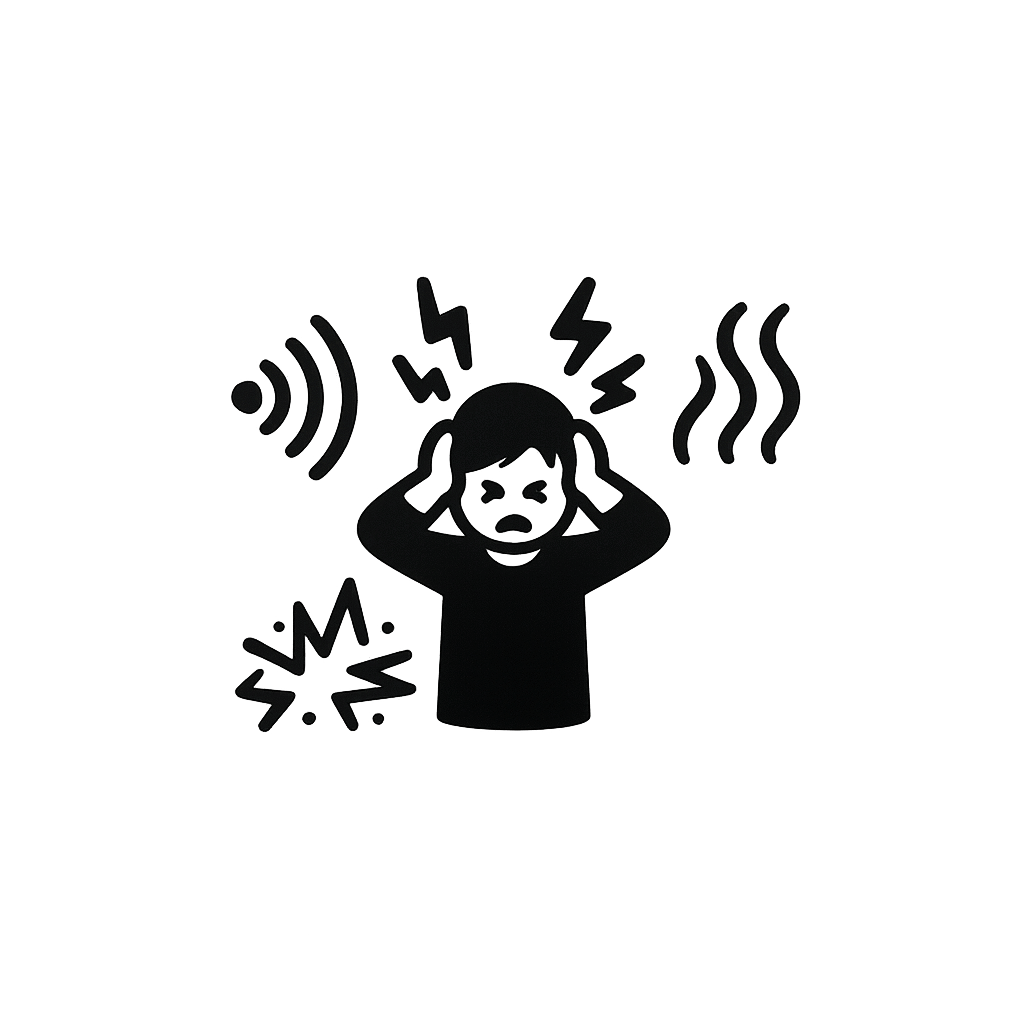
Being overly sensitive or unresponsive to sensory stimuli such as certain sounds, textures, or smells

Causes of Autism

Although the exact cause of autism spectrum disorder is unknown, there is evidence suggesting a genetic basis. However, it has not yet been determined which gene or genes are responsible for this condition. Additionally, there are views suggesting that environmental factors may also contribute to autism.

Prevalence of Autism

According to a report released by the CDC (Centers for Disease Control and Prevention) in March 2023, 1 in every 31 children born in the United States is diagnosed with Autism Spectrum Disorder. According to the report, the prevalence of autism has increased by 382% over the past 25 years.

Signs of Autism

Difficulty making eye contact,

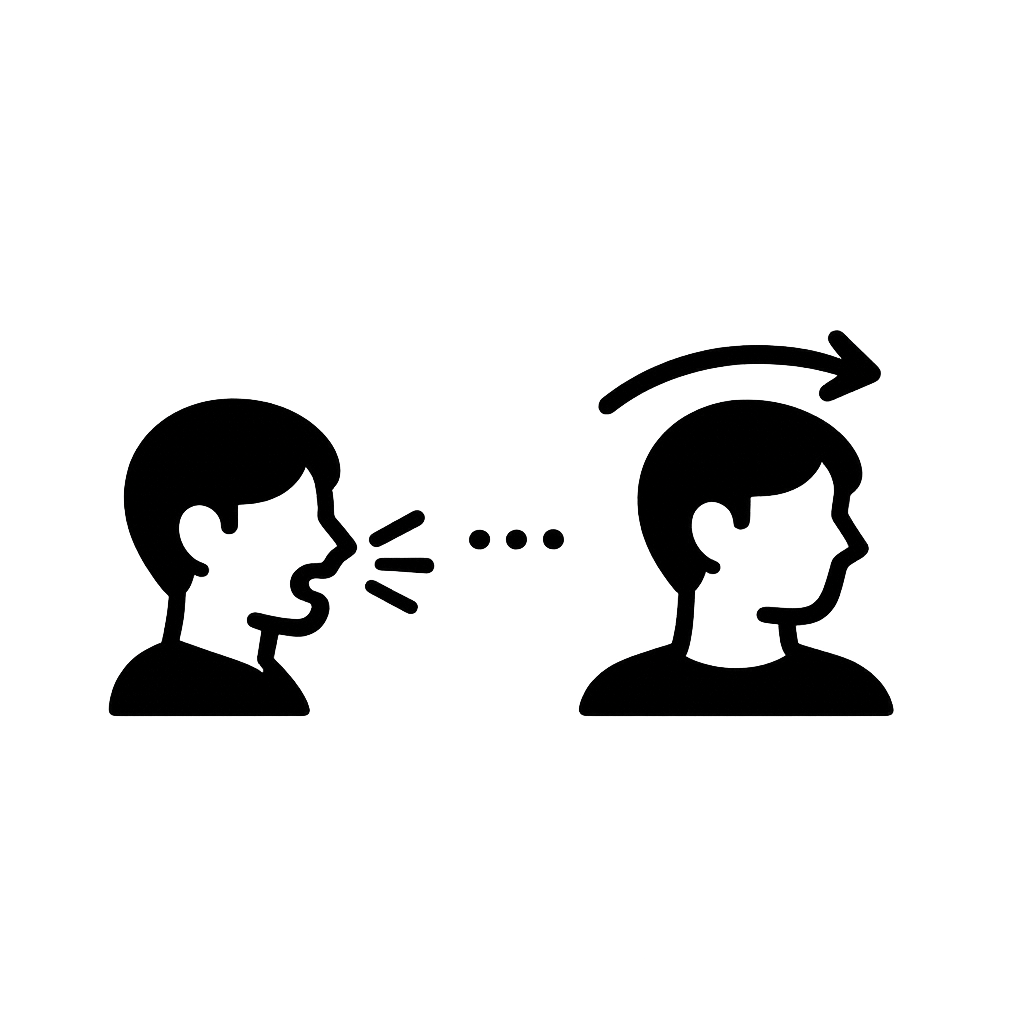
Not responding when their name is called,

Not pointing to indicate desired objects,

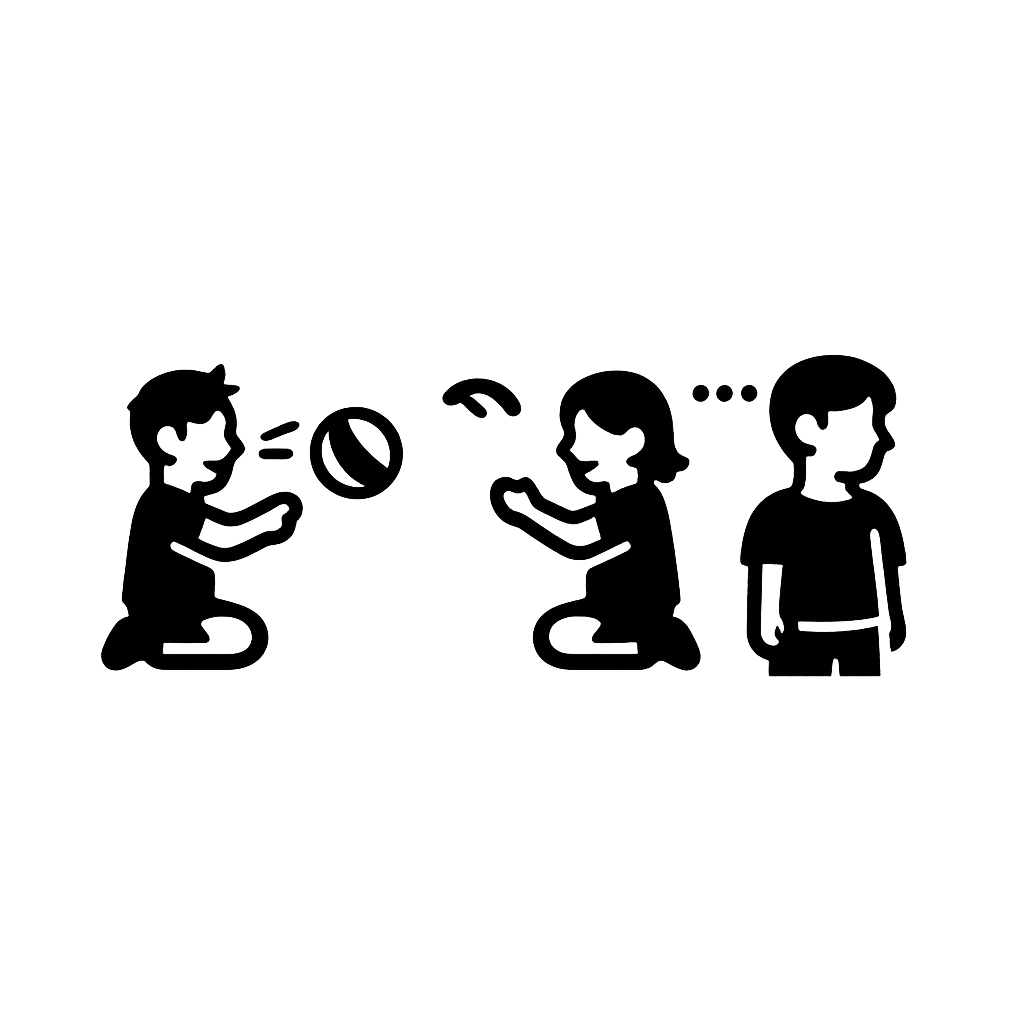
Showing no interest in peers’ play,

Engaging in movements such as rocking or walking on tiptoes,

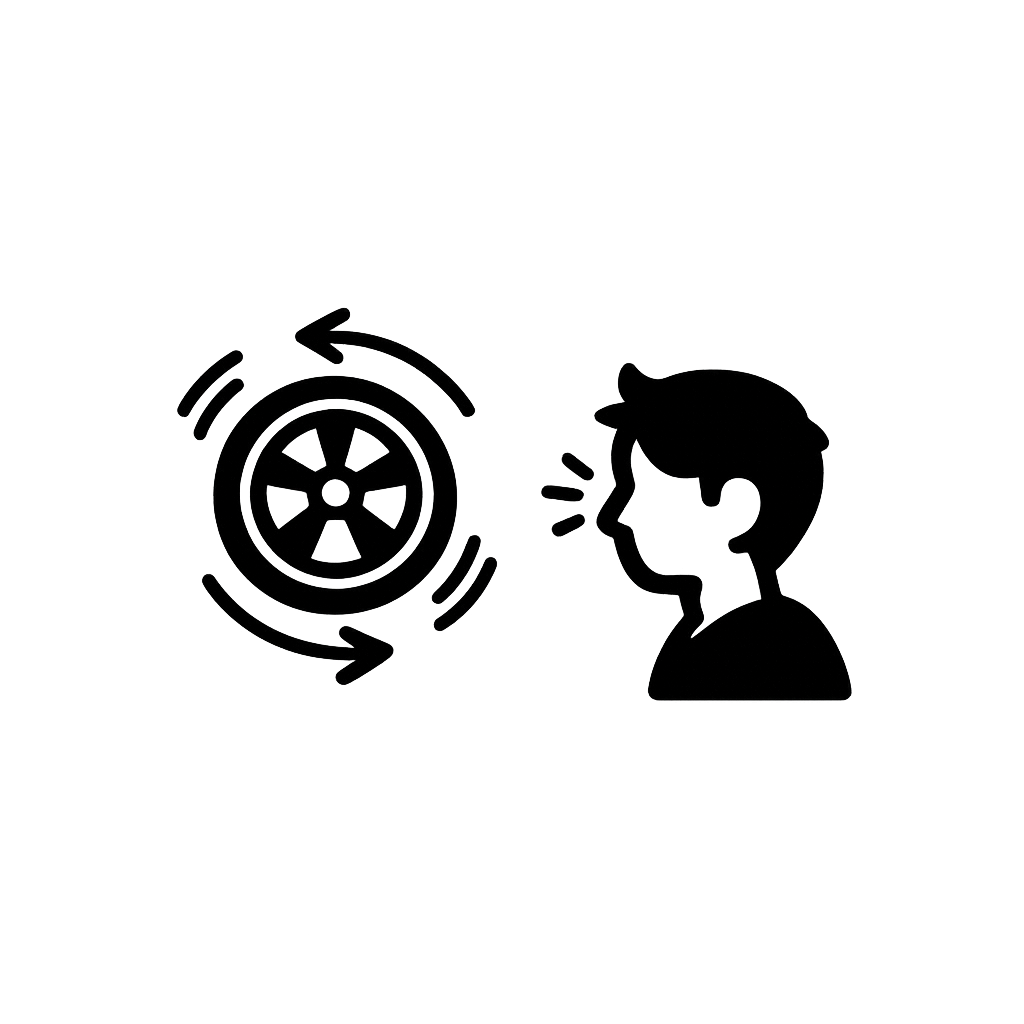
Showing excessive interest in spinning objects,

Exhibiting obsessive behaviors,

Experiencing delayed speech development.

Early Diagnosis and Education

It has been observed that in approximately 50% of children who receive intensive education through early diagnosis and evidence-based methods, the symptoms of autism can be brought under control, developmental progress can be achieved, and some children with autism are even able to catch up developmentally with their peers by adolescence.