

Characteristics of Individuals with Autism

Individuals with autism may exhibit differences in how they perceive the world, communicate, and interact with their environment. These differences should be considered together with individual characteristics and strengths. Below are some commonly observed communication, social interaction, and sensory characteristics in individuals with autism.


Communication and Social Interaction

They may prefer not to use verbal communication or may take time to respond. You can use written communication or supportive systems.

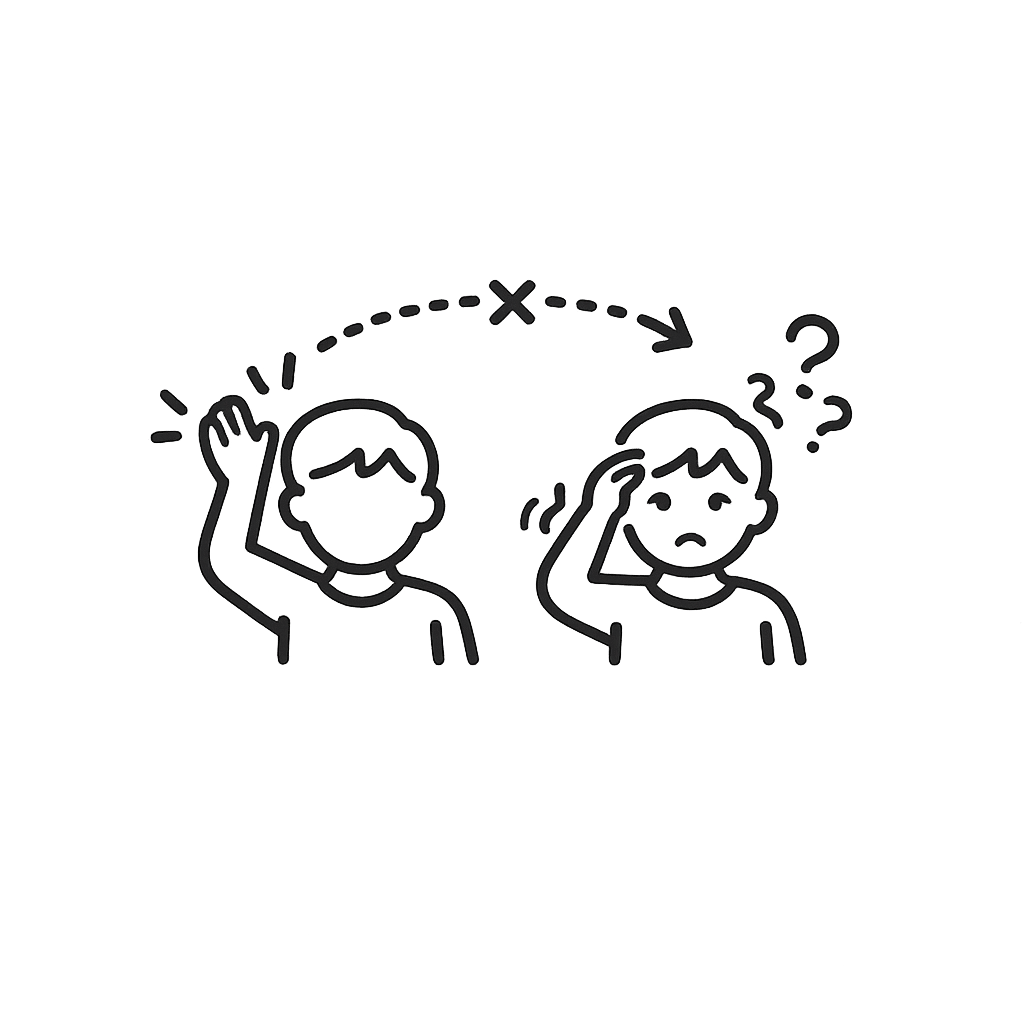
They may have difficulty understanding abstract and figurative expressions. When a sentence like “There was no work at all today, we were catching flies in the shop” is used, they may interpret it literally and think that flies were actually being caught. Clear and direct expressions such as “No customers came today” should be preferred.

They may repeat words and sentences they have heard before. If this serves as a self-soothing strategy, it may be helpful to ignore it or suggest an alternative calming method.

They may have difficulty initiating and maintaining conversations. Daily practice and cue cards can be helpful in this regard.

They may have difficulty making eye contact. Instead of forcing eye contact, it is important to know that they can listen to you even without it.

Sensory Sensitivities

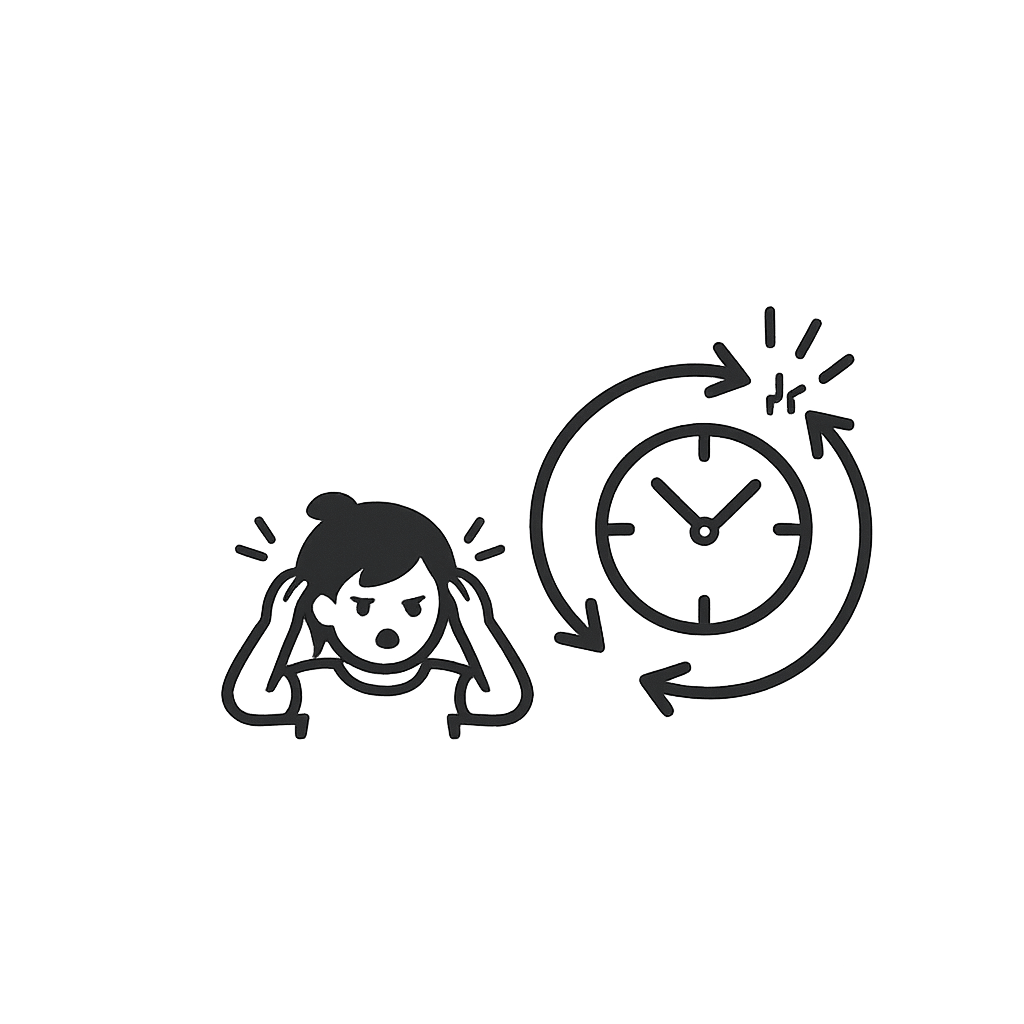
Sounds, lights, smells, or textures that we may not notice in daily life can be distressing for them.

They may exhibit unexpected reactions. In such situations, it is important to be understanding.

They may be selective eaters and prefer foods with the same texture.

Understanding and supporting the differences of individuals with autism helps them feel more comfortable in the workplace.

Restricted Interests and Repetitive Behaviors

Individuals with autism may show intense interest in specific topics and seek to acquire in-depth knowledge in these areas.

Individuals whose routines are disrupted may react to this change.

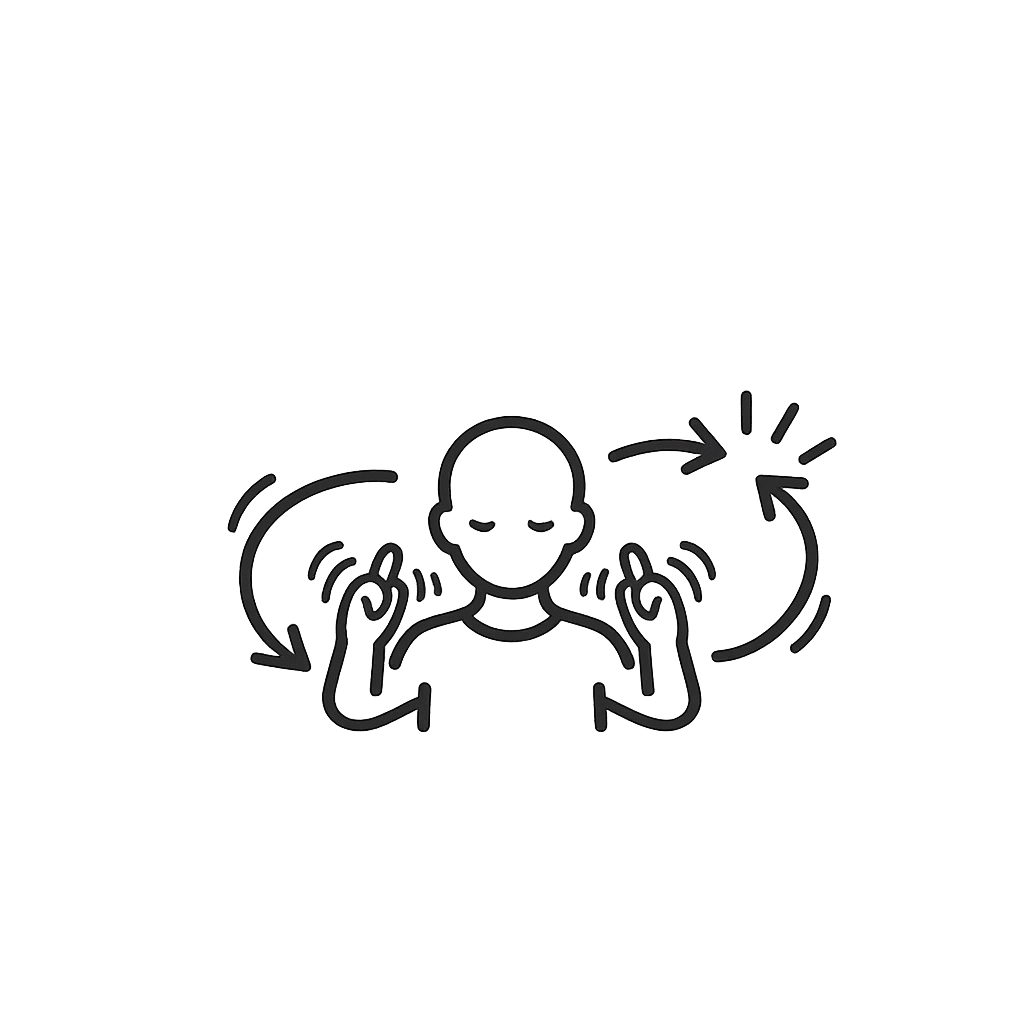
They may engage in repetitive movements (stimming) to self-regulate and feel calm.

They may not want the placement of certain objects to be changed.

Cognitive Characteristics

They may have difficulty with planning and organization.

They may experience difficulties learning through imitation and observation.

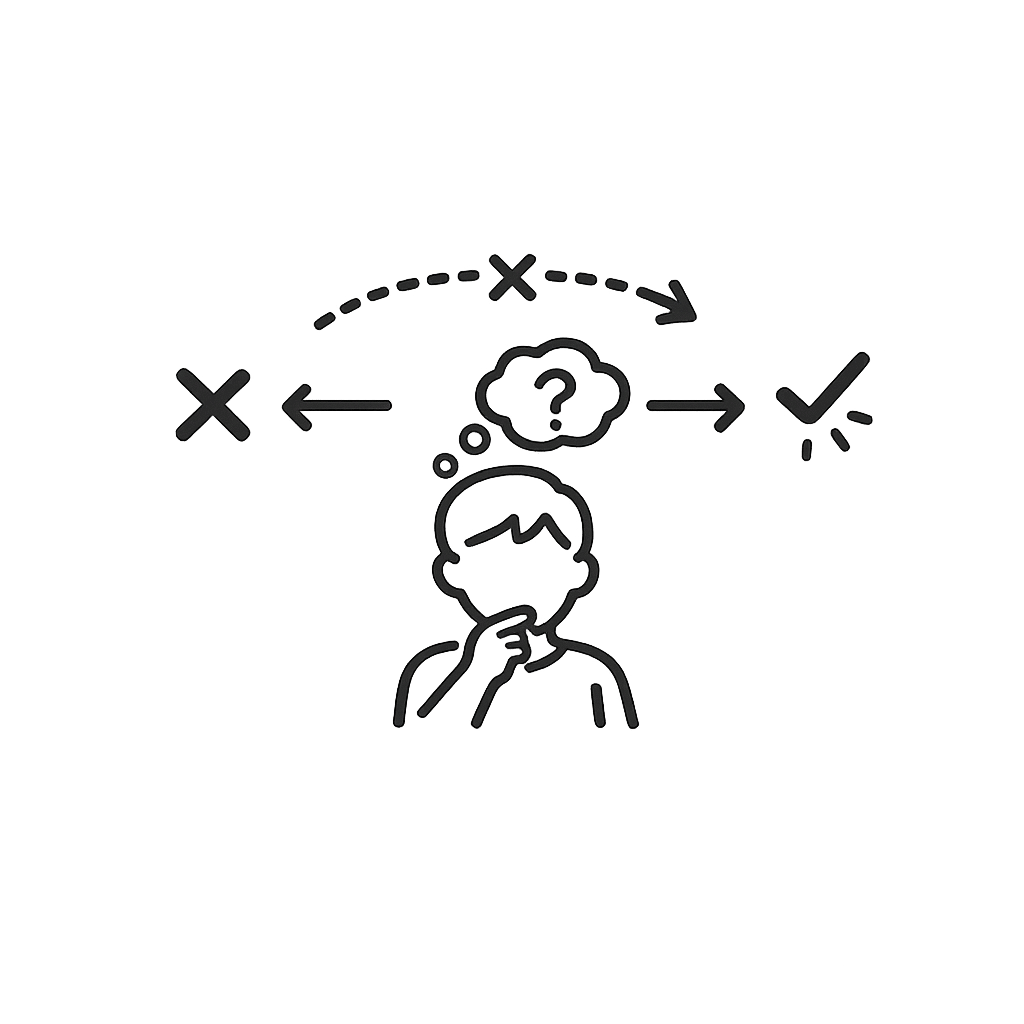
They may have difficulty with flexible thinking and may operate with an “all-or-nothing” mindset.

They may have difficulty applying what they have learned to different situations and may need support with generalization.